Fort Wayne's Climate Challenge: Why Standard Insulation Falls Short
Fort Wayne homeowners face a unique insulation puzzle. Winters plunge well below freezing, with temperatures regularly dropping into the teens and single digits. Summer humidity, meanwhile, climbs into the uncomfortable range, creating moisture problems that traditional fiberglass and cellulose insulation simply cannot handle effectively.
The problem with conventional insulation materials is their porosity. Fiberglass batts and blown-in cellulose absorb moisture like a sponge. When humidity seeps into these materials, they lose their insulating value and become breeding grounds for mold and mildew. In Fort Wayne, where seasonal temperature swings are dramatic, this moisture absorption creates a cycle of degradation that compounds year after year. Homeowners end up paying higher energy bills while their insulation deteriorates silently behind the walls.
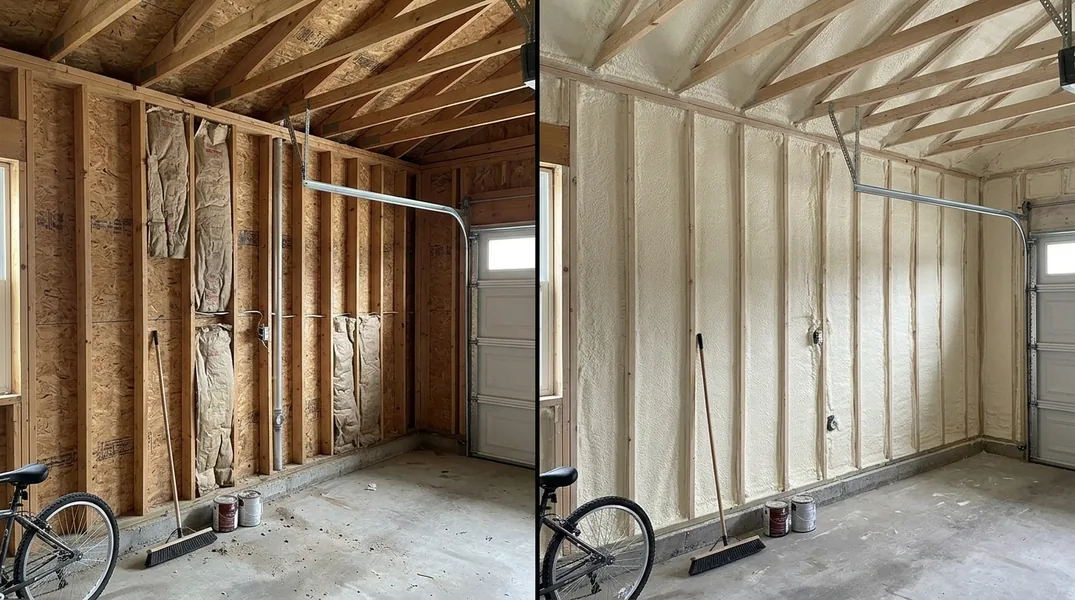
Spray foam insulation changes this equation entirely. Unlike traditional materials, spray foam creates an airtight seal that prevents moisture infiltration in the first place. This is not just about comfort; it is about protecting your home's structural integrity and your family's health.
How Spray Foam Handles Winter Cold and Summer Heat
Closed Cell Spray Foam Insulation is engineered specifically for the kind of climate stress that Fort Wayne experiences. The dense, rigid structure of closed cell foam maintains its R-value year-round, even as outdoor temperatures fluctuate dramatically. During winter, this airtight barrier prevents the warm air your furnace generates from escaping through walls, ceilings, and attics. During summer, it blocks hot air from infiltrating your conditioned spaces, reducing the workload on your air conditioning system.
The R-value per inch of closed cell spray foam typically ranges from 6.0 to 7.0, compared to fiberglass batts at 3.2 to 3.8 per inch. This means you get superior thermal resistance in a thinner application. For homeowners with limited space in attics or crawl spaces, this efficiency is invaluable. The foam also expands to fill every crack and crevice, eliminating the air leaks that plague traditional insulation installations.
Open Cell Spray Foam Insulation offers a lighter-weight alternative that still outperforms conventional materials. While it has a lower R-value per inch (around 3.5 to 3.6), it provides excellent air sealing and vapor permeability, making it ideal for certain applications where moisture management requires a slightly different approach. Both types work synergistically to create a thermal envelope that keeps your home comfortable regardless of what Indiana's weather throws at you.
Metal Building Insulation and Barndominium Solutions
Fort Wayne's agricultural heritage means many properties feature metal buildings, barns, and pole structures. These buildings present unique insulation challenges that spray foam is exceptionally well-suited to address. Metal building insulation requires materials that can adhere directly to steel surfaces and prevent condensation, which is a chronic problem in uninsulated metal structures.
Spray foam bonds permanently to metal, creating a seamless thermal and moisture barrier. This is why pole barn insulation and steel building insulation have become increasingly popular applications for spray foam technology. Whether you are converting a barn into a living space or simply need to protect stored equipment and materials from temperature extremes, spray foam delivers superior performance compared to traditional fiberglass blankets or rigid boards.
For those exploring barndominium conversions, best insulation for metal building projects means choosing a material that handles both the structural demands and the comfort requirements of a living space. Closed cell spray foam provides the structural rigidity to support the weight of drywall and finishes, while also offering the thermal and moisture protection that makes a metal building truly livable. The investment in quality barndominium insulation pays dividends in energy efficiency, comfort, and long-term property value.
Attic Spray Foam Insulation Near Me: When to Call a Professional
Attic Spray Foam Insulation is one of the highest-impact improvements you can make to your home's energy performance. Attics are where heat escapes in winter and where solar gain penetrates in summer, making them the logical starting point for any insulation upgrade. However, attic spray foam installation is not a DIY project. The application requires specialized equipment, proper safety protocols, and expertise in handling isocyanate and polyol chemicals.
Professional installers understand the building code requirements for your area, proper ventilation considerations, and how to work around existing electrical wiring, HVAC ducts, and other obstacles. They also know how to achieve consistent density and coverage, which directly impacts the long-term performance of your insulation. When you hire Fort Wayne Spray Foam Insulation, you are getting technicians who understand the specific challenges of insulating homes in this climate and have the equipment to do the job right the first time.
The right time to install attic spray foam is during new construction or when you are already planning major roof or attic work. However, many homeowners also find it cost-effective to retrofit existing attics with spray foam, especially if they are experiencing high heating and cooling bills. A professional energy audit can help you determine whether attic insulation should be your priority or whether Wall & Injection Foam Insulation or other applications would deliver faster payback.
Understanding Spray Foam Pricing and ROI
The pricing for spray foam insulation varies based on the type of foam, the square footage to be insulated, and the complexity of your project. Closed cell spray foam costs more per board foot than open cell, but it delivers higher R-value and superior moisture resistance. For attic applications in Fort Wayne, homeowners typically invest between $1,200 and $3,500 for a standard residential attic, depending on size and accessibility.
While this initial cost is higher than traditional fiberglass insulation, the return on investment is substantial. Spray foam can reduce heating and cooling costs by 15 to 30 percent, depending on your current insulation condition and how comprehensively you upgrade your home. Many homeowners recoup their investment within 5 to 7 years through energy savings alone. Beyond that, you benefit from improved comfort, better indoor air quality, and protection against moisture-related damage that could cost thousands to repair.
To understand what your specific project will cost and what your potential energy savings might be, contact Fort Wayne Spray Foam Insulation at (260) 264-8362 or request a free estimate. Our team will assess your current insulation, discuss your goals, and provide transparent pricing so you can make an informed decision.
Making the Decision: Is Spray Foam Right for Your Fort Wayne Home?
Choosing spray foam insulation is ultimately about prioritizing long-term comfort, energy efficiency, and home protection. If you live in Fort Wayne and are tired of high utility bills, uncomfortable rooms, or moisture problems, spray foam is worth serious consideration. The material performs exceptionally well in our climate, and professional installation ensures you get the full benefit of this advanced technology.
Whether you need Attic Spray Foam Insulation, metal building solutions, or whole-home envelope upgrades, Fort Wayne Spray Foam Insulation has the expertise and equipment to deliver results. Our team has helped hundreds of homeowners and property owners in the area transform their buildings into more comfortable, efficient, and durable spaces. The next step is simple: reach out to us at (260) 264-8362 or visit our website to schedule a free estimate and discover how spray foam can work for your specific situation.
Looking for a professional spray foam insulation contractor in Fort Wayne? Fort Wayne Spray Foam Insulation responds fast for all your spray foam insulation needs.
Get a Free Quote