Understanding Zone 5A Climate Challenges in Fort Wayne
Fort Wayne sits squarely in USDA Hardiness Zone 5A, a climate classification that brings distinct seasonal challenges to homeowners. This zone experiences cold winters with temperatures dropping well below freezing, combined with humid summers that can push moisture levels to uncomfortable highs. The temperature swings between these seasons create a unique stress on building envelopes, particularly in areas like crawl spaces and attics where air conditioning and heating systems work hardest.
What makes Zone 5A particularly demanding is the interaction between temperature fluctuations and moisture. When warm, humid air meets cold surfaces in winter, or when cool air-conditioned spaces encounter hot, humid outdoor air in summer, condensation becomes inevitable. This moisture infiltration can lead to mold growth, wood rot, and structural damage if not properly managed. Traditional fiberglass and cellulose insulation materials absorb moisture readily, losing their R-value effectiveness and becoming breeding grounds for mold and mildew. Understanding this regional climate dynamic is the first step toward choosing the right insulation strategy for your Fort Wayne home.
Why Crawl Space Insulation Matters More Than You Think
Many homeowners overlook their crawl spaces, treating them as forgotten zones beneath the home. However, crawl spaces represent a significant source of energy loss and moisture problems in Zone 5A climates. Your crawl space is directly connected to the rest of your home's thermal envelope, meaning inadequate insulation there translates directly into higher heating and cooling costs year-round. Cold floors in winter are often the first sign that your crawl space insulation is failing, creating uncomfortable living spaces and forcing your HVAC system to work overtime.
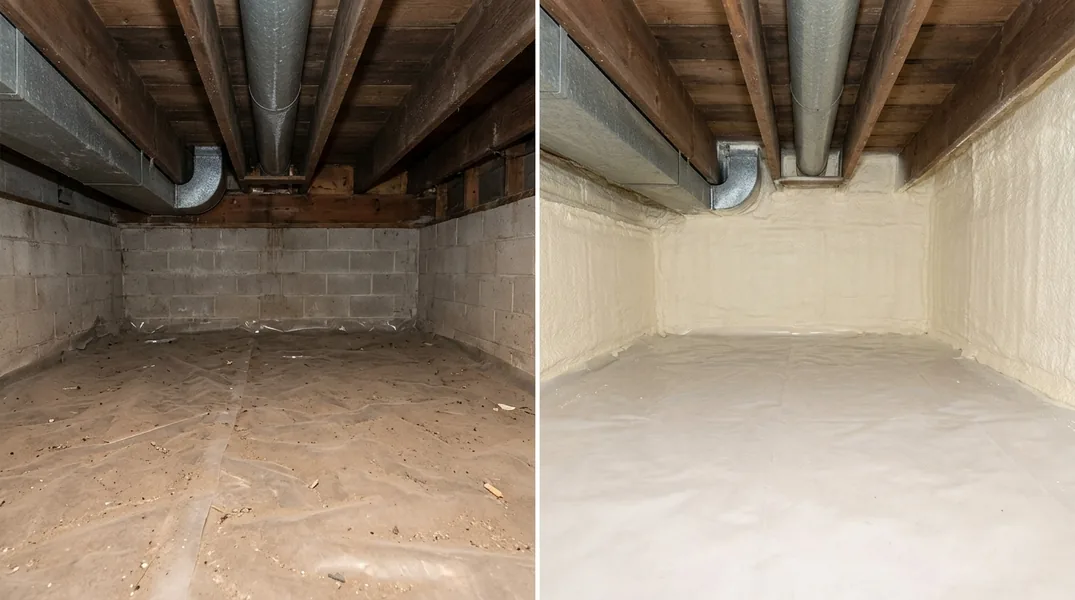
The best insulation for crawl space applications in Fort Wayne must address both thermal performance and moisture control simultaneously. Closed Cell Spray Foam Insulation has emerged as the gold standard for this application because it creates an air-tight seal while providing superior moisture resistance. Unlike traditional batt insulation or rigid foam boards that require additional vapor barriers and are susceptible to air leakage, spray foam addresses both problems in a single application. This integrated approach prevents the moisture-related failures that plague conventional crawl space insulation methods in humid climates.
Crawl Space Spray Foam vs. Traditional Insulation Methods
Crawl space spray foam represents a fundamental shift in how builders and homeowners approach foundation insulation. When applied to crawl space walls and rim joists, spray foam expands to fill every gap, crack, and cavity, creating a complete thermal and moisture barrier. This comprehensive coverage prevents air infiltration, which accounts for a significant portion of energy loss in homes with inadequate crawl space insulation. The material's closed-cell structure actively repels water, making it ideal for the damp conditions common in Zone 5A crawl spaces during spring thaw and humid summer months.
Traditional fiberglass batts and blown-in cellulose require careful installation of separate vapor barriers, and even then, they leave countless small gaps where air can escape and moisture can penetrate. Over time, these materials settle, compress, and lose effectiveness. Rigid foam boards offer better moisture resistance than fiberglass but create thermal bridging issues at seams and fasteners, reducing overall performance. Spray foam eliminates these weaknesses by conforming perfectly to irregular surfaces, maintaining consistent R-value throughout its lifespan, and providing inherent moisture protection. For homeowners dealing with cold floors insulation challenges, this difference is night and day. A properly insulated crawl space with spray foam can eliminate cold floor complaints within days of application.
Pier and Beam Insulation: A Specialized Challenge
Homes built on pier and beam foundations, common in certain areas of Fort Wayne, face unique insulation challenges. These elevated foundations expose the underside of the home to outdoor air temperatures for much of the year, creating significant heat loss during winter and allowing moisture infiltration during humid periods. The open space beneath pier and beam homes makes them particularly vulnerable to Zone 5A climate extremes, as there is no thermal mass or protective soil barrier like basements and crawl spaces provide. Many homeowners with pier and beam construction struggle with persistently cold floors and high heating bills because their foundation insulation strategy is inadequate.
Pier and beam insulation requires a different approach than traditional crawl spaces because the exposed nature of the structure demands maximum durability and weather resistance. Closed Cell Spray Foam Insulation excels in this application, as it adheres directly to beam structures and rim joists without requiring mechanical fasteners or supports. The material's structural integrity actually contributes to the overall strength of the foundation system, while its moisture resistance ensures long-term performance even in the face of wind-driven rain and seasonal humidity swings. When properly installed on pier and beam homes, spray foam insulation can reduce heating costs by 20 to 30 percent while completely eliminating cold floor complaints.
The Role of Humidity Control in Your Insulation Strategy
In Zone 5A, humidity control is not a secondary concern but a primary driver of insulation selection. The relative humidity in Fort Wayne crawl spaces can exceed 70 percent during summer months and spring, creating conditions where conventional insulation materials deteriorate rapidly. Fiberglass and cellulose absorb moisture, losing R-value and becoming susceptible to mold colonization. Even rigid foam boards, while moisture-resistant, can allow moisture to creep around edges and seams. Spray foam's closed-cell structure maintains its insulating properties regardless of moisture exposure, making it the only truly reliable option for long-term performance in humid climates.
The science behind spray foam's moisture resistance lies in its cellular structure. Unlike materials with large, interconnected air pockets that allow water vapor to migrate through, closed-cell foam has tiny, sealed pockets that trap air and block water vapor transmission. This means that even if condensation forms on the surface of spray foam insulation, it cannot penetrate the material or cause the insulation to lose effectiveness. This characteristic is particularly important in crawl spaces, where seasonal moisture fluctuations are inevitable. By choosing spray foam over traditional materials, you're not just improving thermal performance; you're protecting your entire home's structural integrity from the moisture-related damage that plagues so many Zone 5A homes.
Getting Started with Crawl Space and Attic Insulation in Fort Wayne
If you're experiencing cold floors, high energy bills, or visible moisture in your crawl space, it's time to evaluate your current insulation strategy. The first step is a professional assessment that identifies where your home is losing energy and where moisture is entering. Fort Wayne Spray Foam Insulation offers comprehensive evaluations that help homeowners understand their specific challenges and the best solutions for their climate zone and home construction type. Many homeowners are surprised to learn how much of their energy loss originates in crawl spaces and attics, areas they rarely think about or visit.
Beyond crawl spaces, Attic Spray Foam Insulation is equally important in Zone 5A climates. Attics experience extreme temperature variations, with summer temperatures sometimes exceeding 140 degrees Fahrenheit while winter temperatures plummet far below freezing. Proper attic insulation with spray foam prevents heat loss in winter and heat gain in summer, dramatically reducing HVAC workload. When combined with crawl space and Wall & Injection Foam Insulation strategies, a complete spray foam insulation system transforms your home's energy efficiency and comfort.
Ready to take control of your home's insulation performance? Contact Fort Wayne Spray Foam Insulation today at (260) 264-8362 to schedule your free estimate. Our team specializes in Zone 5A insulation challenges and can design a customized solution that addresses your specific needs, whether you're dealing with cold floors, moisture problems, or simply want to reduce your energy bills. Don't let another heating or cooling season pass with inadequate insulation. Call us today and discover how spray foam insulation can transform your Fort Wayne home.
Looking for a professional spray foam insulation contractor in Fort Wayne? Fort Wayne Spray Foam Insulation responds fast for all your spray foam insulation needs.
Get a Free Quote